
 6/20, 2024
The composition of a zipper
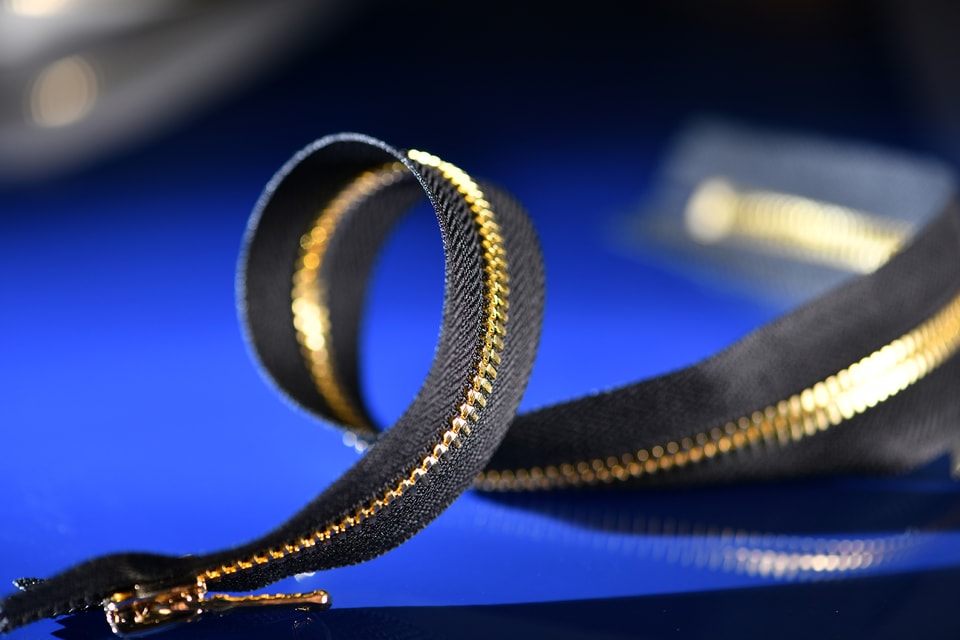
A zipper consists of teeth, a slider, top and bottom stops (front and back stops), or locking devices. Among them, the teeth are the critical part, directly determining the side-pull strength of the zipper. Generally, a zipper has two chain tapes, each with a row of teeth that interlace with each other. The slider holds the teeth on both sides and slides along a pull tab to engage or disengage the teeth. Classification by type: closed-end zippers, open-end zippers (left or right insertion), double closed-end zippers (X or O shape), and double open-end zippers (left and right insertion). Classification by size:3#、4#、5#、7#、8#、9#......20#,The size of the model is directly proportional to the size of the zipper teeth. Classification by material: resin zippers, nylon zippers, and metal zippers. Resin Zippers Features: Resin zippers are sturdy, wear-resistant, corrosion-resistant, and come in a variety of colors. They can withstand a wide range of temperatures. Additionally, the large surface area of the teeth allows for the embedding of diamonds or gemstones, enhancing their aesthetic appeal and making them a practical decorative item. Drawbacks: Due to the larger teeth, they may feel coarse and lack the smoothness of other types (nylon and metal zippers) of the same size. Applications: Suitable for thicker fabrics, jackets (casual wear), skiwear (cold-weather clothing), down jackets, children's outerwear, workwear, military training uniforms, and equipment covers. Nylon Zippers Features: Nylon zippers are soft, smooth, and come in vibrant colors. Their most prominent feature is their lightness, thin teeth, and flexibility. Waterproof zippers, a subset of nylon zippers, undergo special treatments such as PVC or TPU film lamination, waterproof agent immersion, or coating. Drawbacks: Polyester monofilament is prone to aging and has a narrower temperature range of application. Applications: Widely used in various clothing and luggage, especially underwear and high-end thin fabrics. Invisible zippers and double-bone zippers are ideal for women's skirts and pants. Braided zippers, with thinner teeth due to the absence of a centerline, are suitable for high-end trousers to prevent bulging at the placket. Metal Zippers Features: Durable, soft, and elegant. Drawbacks: The teeth are more prone to falling out or shifting than those of other types. Due to the high cost of raw materials, they are more expensive. Aluminum zippers have lower strength performance compared to copper zippers of the same size. However, after surface treatment, they can imitate copper and come in various colors, offering a competitive price advantage due to their lower cost compared to copper. Applications: Suitable for high-end jackets, leather clothing, skiwear, down jackets, jeans, casual wear, cold-weather clothing, handbags, etc.
READ MORE → 6/20, 2024
Let's learn about zippers together!
With the development of human society's economy, science, and technology, zippers have evolved from initial metallic materials to non-metallic materials, from single varieties with single functions to multiple varieties with comprehensive functions, and from simple constructions to today's delicate, beautiful, and colorful designs. Their performance, structure, and materials have changed rapidly over time, and they are widely used in various fields such as aerospace, aviation, military, medical, and civilian applications. The small zipper plays an increasingly significant role in people's lives, demonstrating its importance and vitality. As one of the ten most practical inventions of the century for humanity, zippers have been recorded in the annals of history. Development Journey: Zippers are also known as zip fasteners. They are one of the ten inventions that have facilitated people's lives in recent times. The emergence of zippers dates back to a century ago. At that time, in some parts of central Europe, people attempted to replace buttons and bow knots with belts, hooks, and rings, leading to experiments in developing zippers. Zippers were initially used in military uniforms. During the First World War, the US military placed the first large order for zippers to be used in soldiers' clothing. However, the popularization of zippers among civilians was relatively late, only being accepted by women in 1930 as a replacement for buttons on clothing. The term "zipper" was coined in 1926. It is reported that a novelist named Frank, during a business lunch promoting a zipper sample, said, "Pull it, and it opens! Pull it again, and it closes!" This succinctly described the characteristics of the zipper. Thus, the term "zipper" was born. The original prototype of the zipper originated from the long boots people wore. In the mid-19th century, long boots were very popular, especially suitable for walking on muddy or horse manure-covered roads, but their drawback was that long boots had over 20 iron hook-style buttons, making them very time-consuming to put on and take off. This drawback puzzled inventors and cost sponsors a lot of money and patience. To avoid the trouble of putting on and taking off long boots, people even endured wearing them for entire days without removing them. Finally, in 1851, an American named Elias Howe applied for a patent for a design similar to zippers, but it was not commercialized and was forgotten for half a century. In 1893 (or some say 1883), an American engineer named Juddson (of Kuwait origin) developed a "sliding lock device" and obtained a patent. This was the initial prototype of the zipper. The emergence of this device had an impact on the buttons and hooks used on high boots. However, this invention did not quickly become popular, mainly because this early locking device was of poor quality and could easily loosen at inappropriate times and places, causing embarrassment. In 1902, a company originally producing buttons and lace became interested in Juddson's invention, bought the patent, registered the "Clasp Locker" trademark, and began producing zippers for shoes. But this pioneer company quickly went down the path of destruction. The "Clasp Locker" they produced either couldn't be zipped up or couldn't be opened, and sometimes suddenly sprang open, causing embarrassment to consumers. The disgraced "Clasp Locker" became an unsalable product, and this first zipper-producing company closed due to losses. In 1912, Sundback, an employee of the Juddson company, improved this "automatic button" by changing each tooth on the chain to a shape with convex tops and concave bottoms, so that the teeth could completely match and bite each other, making it neither easy to get stuck nor easy to come apart, and giving it a new name - zipper. In 1913, a Swede named Sonback improved this crude locking device, making it a reliable commodity. His method was to attach metal teeth to a flexible shaft. The working principle of this zipper is that each tooth is a small hook that matches the hole below a small tooth on the adjacent opposite strip. This zipper is very sturdy and can only be opened when the slider is moved to open the teeth. It was only in the 1890s that a turnaround occurred. A mechanical engineer from Chicago named Whitcomb L. Judson came up with the idea of using a sliding device to fit and separate two rows of buttons (this principle is very similar to zippers, but the term "zipper" only emerged about 30 years later). Judson's invention fortunately received financial support from Pennsylvania lawyer Lewis Walker. Walker was highly interested in Judson's new design.History is often rewritten due to some contingent factors, and the history of the zipper's invention also confirms this. A shocking air disaster "saved" the dying zipper industry. On a sunny day in Paris's Place de la Concorde, carefully selected pilots confidently boarded the aircraft at that time to perform flight demonstrations for a large number of politicians and VIPs. But after making a few beautiful gliding maneuvers, the plane crashed, killing everyone on board! After careful analysis and evidence collection by the accident investigation team, it was found that a button had fallen off the pilot's jacket, and this button had rolled into the aircraft engine, causing the accident. The painful cost led the French Defense Ministry to issue an order prohibiting buttons on flight suits. European countries followed suit, spreading to the United States across the Pacific Ocean. "We have hope!" Sundback, upon learning of this incident, judged that this was an opportunity to revive the zipper. He immediately contacted the Defense Ministry and offered to sew new pilot uniforms at the most favorable price. Pilots wearing new uniforms with zippers undoubtedly generated a huge advertising effect. The army and navy also followed suit. Sundback seized the opportunity to contact clothing manufacturers in the United States and even Europe to mass-produce jackets with zippers instead of buttons, and zippers were revived and became increasingly popular. After the outbreak of the First World War, US military personnel realized that zippers on military uniforms could increase soldiers' dressing speed, so they tried zippers on the pockets of clothes and the front of trousers, which was warmly welcomed by frontline soldiers. The 24,000 zippered military uniforms produced in 1917 sold out immediately. In 1918, the US installed zippers on 10,000 flight suits. During the First World War, the US economy was in a slump, with steel costing five cents per pound and workers earning six dollars a week. The company downsized and laid off employees, leaving only Sundback and another person, with Sundback serving as both manager and engineer. The company faced unprecedented financial difficulties. To repay thousands of dollars owed to the Robbins Company for supplying steel wire, Sundback had to repair a machine to produce paperclips to earn money. Fortunately, sponsors kept emerging. James O'Neill, the father of a playwright, was touring with the play "The Count of Monte Cristo" at that time and was very interested in Sundback's Plackette zipper. Although there was a turnaround in his career, Sundback personally suffered an unprecedented blow when his wife died in childbirth. Grieving, Sundback became even more focused on improving zippers. In 1913, he reapplied for a patent, which was approved in 1917 (patent number 1219881). Walker called this patent the "hidden hook" and was optimistic about its prospects. Walker renamed the company the "Hookless Fastener Company" and moved the factory to Meadville. Sundback further improved the Hookless Fastener by shaping the teeth like spoons, with convex tops and concave ends. The sliding device could slide to engage the left and right "toothed parts" and slide back to separate them, called the "Hookless No. 2," and he designed a machine to manufacture the toothed parts. In 1913, he officially announced the breakthrough in this technology. "American Science" once featured Sundback's patent as a cover story.Six months later, Sundback prepared for mass production of this fastener, and Hookless No. 2 was ready for market launch. Walker's second son also spent eight years working on improving the Hookless Fastener. Josephine Calhoun in Florida applied for a patent similar to a safety zipper in 1907. In the same year, Frank Canfield in Colorado also applied for a patent. Inventors working on this aspect were not only in the US; among them, the final products closest to Sundback's were the 1912 patents by Katharina Kuhn-Moos and Henri Forster in Zurich. However, none of them became commodities like Hookless No. 2. Market demand determines the success or failure of a product. Orders for Hookless No. 2 were initially not many. Mcreery, a department store in Pittsburgh, believed that Hookless No. 2 was suitable for skirts and suits and required manufacturers to use Hookless No. 2 exclusively, but few followers dared to take the risk of using the new product. To win customers, Sundback continuously improved the performance of zippers to meet demand. The manufacturing technology at the Meadville factory became better and better, producing 1,630 Hookless No. 2s per day without any defects, resulting in increasing orders. World War I also brought new opportunities for the new product. Military money belts increased the demand for Hookless No. 2; air force flight suits adopted Hookless No. 2, which not only saved material but also provided better wind protection; and navy life jackets also used Hookless No. 2. The government specially allocated metal materials for production. Although Hookless No. 2 proved to be effective, its high price prevented widespread adoption. Cohen understood this and focused on reducing production costs and improving manufacturing efficiency. He invented the S-L machine, which reduced unnecessary waste of materials during production and required only 41% of the original raw materials. After reducing production costs, the first product to use the new technology was the Locktite tobacco pouch, which was a huge success. By the end of 1921, the tobacco company required an unprecedented number of Hookless No. 2s weekly. To meet high demand, the Hookless Fastener Company built a new factory. In 1921, the B.F. Goodrich Company of Ohio ordered a small quantity of products from the Hookless Fastener Company for use in their rubber boots. After trial use, they found the product to be effective and placed a large order, informing the Hookless Fastener Company of any defects found. After improvements, the company introduced the Mystery Boot, which could be put on or taken off with just one pull. The marketing team was not satisfied with the name "Mystery Boot" and wanted a name that better reflected its features. The manager had a sudden inspiration and chose the onomatopoeic word "Zip" - the sound of an object moving quickly - to rename the Mystery Boot the Zipper Boot (see Figure 2) and designed the ZIPPER trademark for the zipper, providing legal protection for the product. This was in 1923, and later, "Zipper" became the generic term for all products similar to the Hookless Fastener. Unfortunately, Gideon Sundback, who was instrumental in the zipper's development, passed away in 1909 and never heard the term "Zipper" or saw his invention become a worldwide success. That winter, B.F. Goodrich sold nearly 500,000 pairs of Zipper Boots, and in the mid-1920s, they purchased at least one million zippers annually from the Hookless Fastener Company. The Hookless Fastener Company found the term "Hookless" to have negative connotations, and since "Zipper" was coined by B.F. Goodrich, they came up with the term "Talon." In 1937, the company was renamed Talon. Before 1930, the Hookless Fastener Company sold 20 million "Talons" annually, with applications ranging from pen cases to motorcycle engine covers. However, the garment industry remained hesitant to adopt them. In the mid-1930s, fashion designer Elsa Schiaparelli was the first to use "Talons" extensively. The New Yorker described the spring 1935 fashion show as "covered with zippers." After that, the garment industry gradually adopted zippers. The manufacturing technology of zippers spread gradually worldwide, with European countries such as Switzerland and Germany, and Asian countries such as Japan and China, successively establishing zipper production factories. In 1917, zippers were introduced to Japan. At that time, due to their scarcity, zippers could only be used as accessories for dignitaries to flaunt their status. In the early Showa period of Japan in 1927, people in Otsu, Hiroshima Prefecture, began manufacturing zippers and selling them under the trademark "Jiyuu-Brand" (meaning "Clamp Brand" in English). At that time, zippers were renowned for their durability, so "jiyuu" (clamp) became synonymous with zippers. To this day, Japanese people still refer to "zippers" as "jiyuu." In 1932, Japan began mass production of zippers by hand. With the continuous development of advanced machines at that time, such as eccentric manual punch presses, zippers could be produced in bulk, and their prices gradually declined. The apparel and luggage industries began to use zippers, sparking great expectations in the industry. In 1934, zipper products started being exported in bulk from Shanghai, Hong Kong, and the United States. In January 1934, the predecessor of YKK (Yoshida Kogyo Kabushiki Kaisha), the "3-S Company," was established. After 1937, zippers were sold in large quantities in North and South America. Zippers finally emerged as an emerging industry, and similarly, they became an important player in Japan's industrial sector. However, the outbreak of the Pacific War in 1941 turned Japan into a defeated nation, and the war dealt a devastating blow to Japan's domestic industries, including the zipper industry. At that time, except for some military zipper manufacturers, most factories were forced to switch to other industries or close down. After the war in 1946, due to the influence of the occupying American forces in Japan, the demand for zippers increased rapidly. However, the enormous trauma caused by the war made it impossible for the Japanese zipper industry to meet the demand in the short term. The shortcomings of the "Japanese manufacturing method," which relied heavily on handicrafts, were exposed. At that time, it created a negative image of Japanese-made zippers as "easily broken." In 1950, Japan's YKK imported automatic teeth-making machines, taking the first step towards mechanized production. Subsequently, the company invented an automatic stamping machine for zipper sliders, revolutionizing the manufacturing and production processes and driving the progress of the entire Japanese zipper industry. In 1951, Japan manufactured and put into use 30 teeth-making machines, finally completing modern factory equipment that was unmatched in the industry. Almost simultaneously with the development of the Japanese zipper industry, some European countries, such as Switzerland and Germany, were also developing zippers. In the 1930s, the Swiss company Optilon was established, with its headquarters in Zug, Switzerland. For decades, the company has prioritized "comfort" and "quality," continuously improving its designs. Through technical cooperation with more than 30 foreign companies, new varieties of zippers have emerged continuously. It has established enterprises and factories around the world and has become a world-renowned zipper enterprise alongside the American Talon Zipper Company and Japan's YKK. In 1953, Germany introduced zippers made of plastic for the first time, pioneering the use of non-metal zippers.Zipper production in China began in 1930 when it was introduced to Shanghai from Japan. At that time, Wang Hexing established the first zipper factory in Houjia Road, Shanghai. Later, Wu Xiangxin opened another zipper factory, and in 1933, the Shanghai Sanxing (later known as Huaguang) Zipper Factory was established. In 1949, China had more than 20 small and medium-sized zipper enterprises with about 1,000 employees. Production mainly relied on manual operations with simple equipment. In 1958, the Shanghai Sanxing Zipper Factory introduced automatic meter-feeding machines produced in Germany and carried out technological reforms. The speed of the automatic meter-feeding machines was increased from 1,440 revolutions per minute to 3,000 revolutions, equivalent to 230 times that of manual operation. The production of zipper sliders was reformed from single-head punching to twelve-channel one-time molding, increasing production efficiency by more than 50 times. Efficient special equipment for subsequent processes such as polishing, brushing, washing, waxing, merging, and shuttleless looming was successfully reformed. The adoption of new processes and technologies such as liquid drawing of aluminum-magnesium alloy and sintering of carbide into integral molds was promoted, realizing the first technological revolution in China's zipper industry.
READ MORE →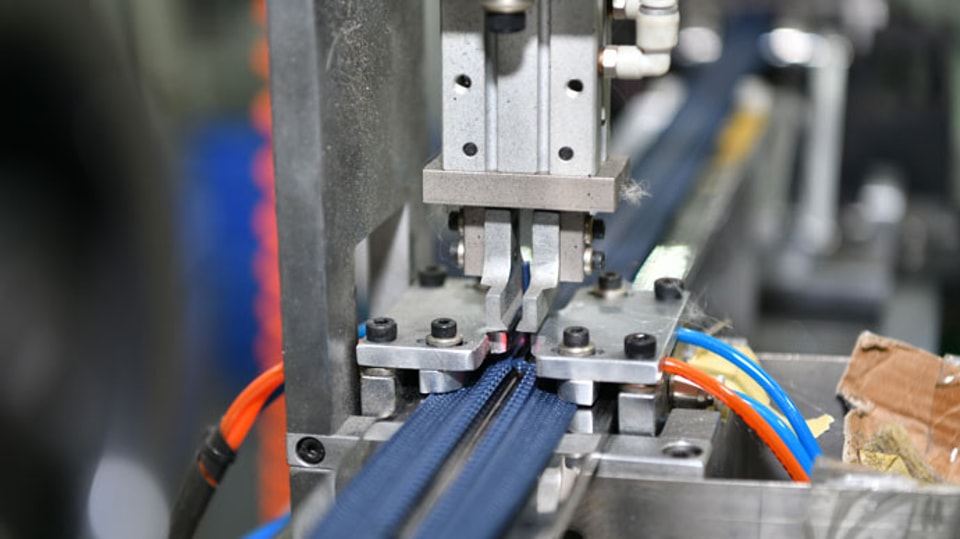 5/30, 2024
How can we distinguish between nylon zippers and resin zippers?
I. Differences in Tooth Chain Production Processes 1.Resin zippers feature a plastic tooth chain that is relatively thick and opaque, giving it a rigid plastic feel. The tooth chain, typically in a square shape, is produced by melting polyester compounds at high temperatures and then engaging them onto the cloth tape using a chain-forming machine. 2.Nylon zippers have a finer tooth chain that is molded under heat and pressure from nylon monofilament. It has a translucent appearance, resembling plastic threads coiled together, and is relatively soft. II. Differences in Scope of Application and Uses 1.Nylon zippers are widely used in clothing, home textiles, luggage, and tents, primarily due to their softness and applicability. 2.Resin zippers are more commonly used in outerwear and luggage, imparting a fashionable texture. III. Differences in Production Materials 1.The main material of nylon zippers is polyester, which has a relatively low cost and is a popular choice in the market. 2.The primary material of resin zippers is polyoxymethylene, which has a slightly higher cost than nylon but is still lower than metal. However, its durability surpasses that of nylon and metal. IV. Differences in Post-Processing Techniques for Tooth Chains 1.The post-processing techniques for nylon tooth chains include dyeing and electroplating. They can be dyed separately from the cloth tape in different colors or stitched together and dyed in the same color. Electroplating commonly includes gold and silver teeth, with rainbow teeth requiring a more advanced process. 2.The post-processing techniques for resin tooth chains involve color adjustment or film lamination during hot-melt chain formation. Color adjustment can be based on the cloth tape color or metal plating color. The conventional lamination process involves attaching a layer of bright gold or silver film to the produced tooth chain. Special lamination methods can also be customized according to requirements. V. Differences in Price 1.Nylon zippers come in various categories, with costs ranging from a few cents per piece upwards. Prices vary based on production processes and usage requirements, making them relatively inexpensive in the market. 2.Resin zippers also have multiple models, with the open-end structure being the most commonly used. Production costs are relatively higher. Depending on market demands, unit prices can vary from more than three mao (a traditional Chinese currency unit, equivalent to approximately 0.03 yuan) and above. Under the premise of the same size requirements, resin zippers are significantly more expensive than nylon zippers.
READ MORE →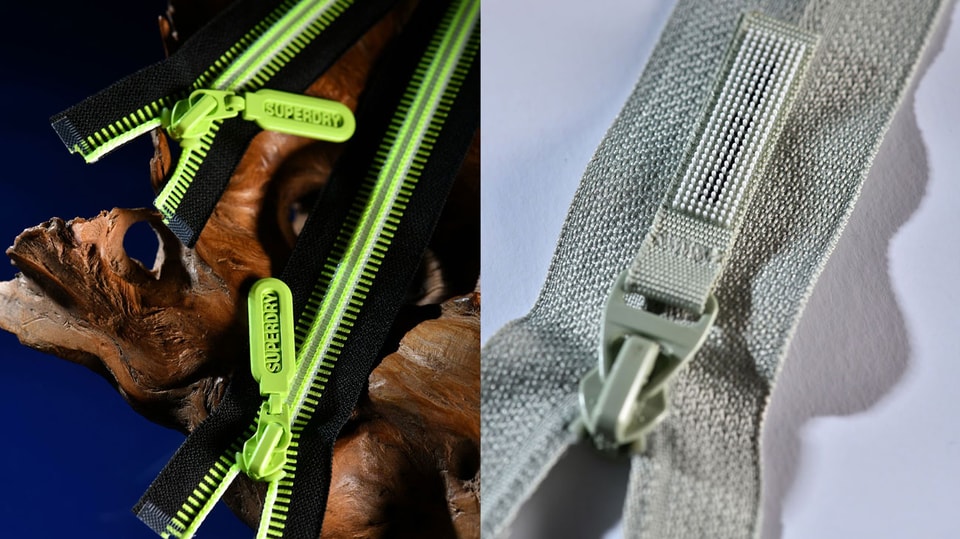 5/30, 2024
The material of nylon zippers is nylon
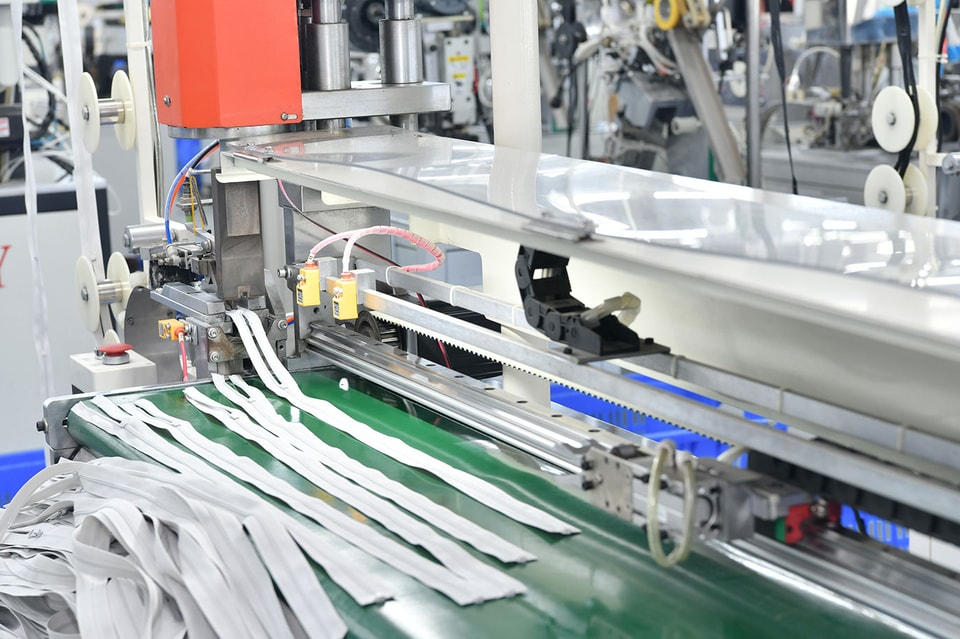
The material composition of nylon zippers is primarily determined by several key components: 1.The Code Assembly Formed by the Weft Tape and Tooth Chain The main body consists of a weft tape, which is woven into a single-sided tape using yarn on a weft-knitting machine. The tooth chain is then molded by a forming machine, stitched together, dyed, and ironed flat to form rolls of code assemblies that can be used to produce zippers in strip form. This is the weft tape we see. 2.The Slider Component Most nylon zippers we see daily come with sliders, which are an indispensable part of strip zippers. Sliders can be made from various materials, including plastic, zinc alloy, and even needle-detection-friendly copper cores. Some are also made of stainless steel. Different materials and requirements will determine the price of the strip zipper. 3.Front and Rear Stops (or Upper and Lower Stops) Front and rear stops, also known as upper and lower stops, are required in most strip zippers. Some are made of zinc alloy, while others use plastic for the front stop. Many industries choose to use nylon zippers due to their affordable price and simple production process. A production line can cost between tens of thousands to hundreds of thousands of yuan, and with manual loading and unloading, products can be produced stably over the long term. We only need to ensure the quality of the machines to guarantee the quality of the finished products, which contributes to their widespread use. Of course, the quality of the finished products is also related to the raw materials, so we need to control every detail to produce quality that satisfies our customers. Especially in densely populated places like schools, the air in classrooms is often very polluted. As the weather gradually turns colder, people tend to keep doors and windows closed for warmth, which leads to a decline in air quality. This is particularly true in densely populated places like schools, where the air in classrooms is often very polluted.
READ MORE →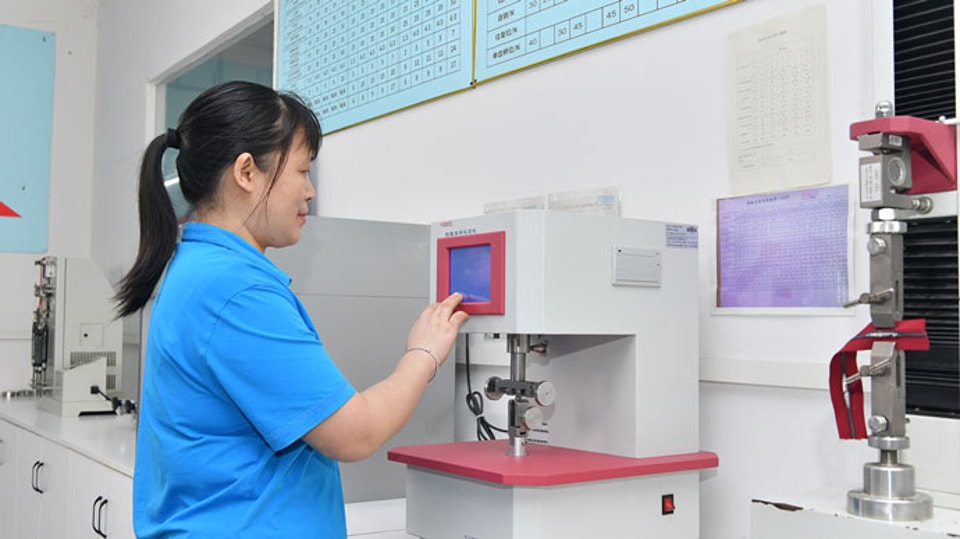 5/30, 2024
Common Knowledge for Zipper Maintenance
When using zippers daily, be mindful of any issues such as "ruptured seams," "missing teeth," or misalignment, and repair them promptly instead of forcing them open or closed. If a zipper becomes loose or loses teeth, you can gently tap the zipper pull a few times with a small hammer to tighten the engagement between the upper and lower teeth, preventing further tooth loss. Aluminum alloy zippers are prone to corrosion, so they should be kept dry and avoided getting wet to prevent the aluminum teeth from forming white oxides, which over time can damage the zipper and affect its usability. Additionally, avoid contact with alkaline and acidic substances. Bags, pockets, or wallets with zippers should not be overfilled, as this can easily cause "ruptured seams," "missing teeth," misalignment, and softened fabric. When pulling a zipper, first align the teeth on both sides and then hold the zipper pull and gently pull it forward along the track. Avoid pulling it hard to prevent "misaligned teeth," "ruptured seams," and "missing teeth." If the zipper feels stiff and difficult to pull, first clean it with a cloth and then apply a layer of white wax to the teeth.
READ MORE →